
Introduction by GiftedKids.in
In a lot of Indian homes, a child who keeps asking why gets read as a child who will not accept an answer. Too many questions in class becomes a remark in the school diary. Too many at home gets called stubbornness. Somewhere in that, a parent starts wondering whether to encourage it or quietly shut it down.
Dr Inderbir Kaur Sandhu argues it is the wrong choice to be making. Here is what those questions usually mean, and what she has found is worth protecting.
“My child keeps asking questions. Sometimes I don’t even know how to answer them. Is this normal?”
A Question Many Parents Ask Me
This is something I hear frequently from parents of gifted children. The endless questions can be fascinating, surprising and, if we are being honest, sometimes exhausting.
However, these questions often reveal something important. Many gifted children are not simply trying to collect information. They are trying to understand how the world works.
Their curiosity goes beyond wanting answers. They want explanations, connections and possibilities.
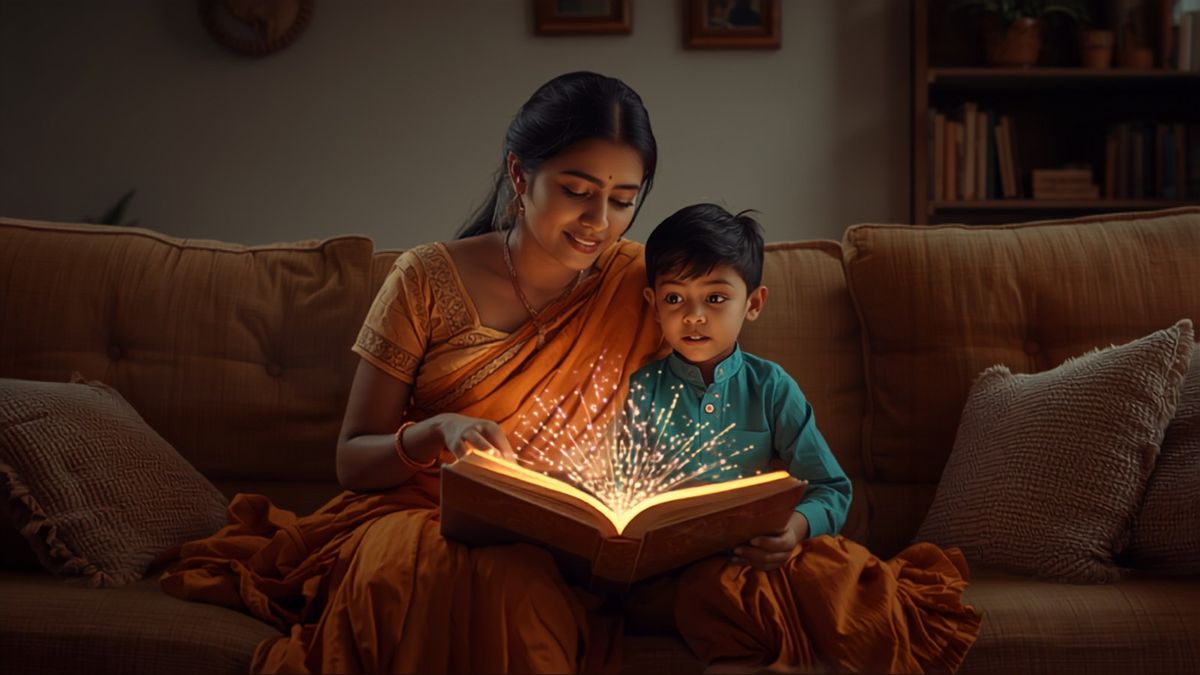
Why Curiosity Matters
Curiosity is one of the strongest drivers of learning. Gifted children often show an intense desire to explore ideas deeply. They may become fascinated by topics such as space, history, animals, technology or how everyday objects work.
While some children ask “what”, many gifted children naturally move towards “why” and “what if”.
This deeper questioning reflects their ability to think beyond the information immediately presented to them. It is often this curiosity, rather than simply knowing more facts, that fuels advanced learning.
What I Have Learnt From My Assessment Room
Over the years, I have met many children whose parents describe them as “always questioning everything”.
Sometimes adults interpret this as being argumentative or challenging authority. However, when I speak with these children, I often discover that the questions come from genuine curiosity. They are not trying to be difficult. They are trying to make sense of the world.
One of the most important things adults can do is protect this love of questioning. A child who keeps asking questions is a child who is still excited about learning.
How Parents Can Nurture Curiosity
Parents can encourage curiosity by:
- Welcoming questions, even when the timing is inconvenient.
- Saying “Let’s find out together” instead of feeling pressured to know every answer.
- Encouraging exploration through books, conversations, experiments and experiences.
- Allowing children time to think, imagine and create.
- Valuing thoughtful questions as much as correct answers.
Gifted children do not need adults who know everything. They need adults who remain curious with them.
Myth vs Reality
Gifted children ask questions because they already know a lot.
Many gifted children ask questions because they realise how much more there is to discover. Their curiosity comes from wanting to understand, not simply wanting to show what they know.
Dr Inderbir's Reflection
One thing I have learnt from working with gifted children is that curiosity is precious.
Children are naturally born wanting to explore, discover and understand. Our role as adults is not simply to provide answers but to keep that curiosity alive.
The goal is not to raise a child who knows all the answers. The goal is to nurture a child who never stops asking meaningful questions.
Want to Learn More?

Dr Inderbir Kaur Sandhu is a psychologist, gifted education specialist and author of The Secret to Raising a Smarter Child. With over two decades of experience working with gifted and twice-exceptional children, she specialises in understanding how children think, learn and thrive. Her work focuses on cognitive assessment, talent development and helping families nurture children's strengths while supporting their social and emotional development.