Classroom ka Paradox
Almost har Indian school mein—chahe Gurugram ka English-medium private ho ya Bihar ka government school—parents aur teachers ke dimaag mein "smart student" ka same picture hota hai:
- Seedha baithta hai, chup rehta hai
- Lines ke andar sundar handwriting
- Textbook ke formulas yaad karke word-for-word likhta hai
- Har test mein 98%
Ab usi class ke peeche wali seat pe ek dusra baccha dekho:
- Simple maths samjhate waqt khidki se bahar dekhta hai
- Pair hilata rehta hai, pen todkar spring nikalta hai
- Tough sawal dimaag mein turant solve kar leta hai, lekin "6 steps dikhao" na likhne par zero marks
- Ghar pe har rule pe jaise courtroom mein vakeel argue karta hai
Hum is dusre bacche ko kya kehte hain?
"Careless." "Badtameez." "Distracted." "Dhyan nahi lagta."
Dr. Dan Peters jaise psychologists yeh baat saaf kehte hain: school system quiet compliance ko reward karta hai—asal intelligence ko nahi.
Asli giftedness aksar neat aur obedient nahi hoti. Uske peeche hota hai asynchronous development—matlab bacche ka dimaag, haath, aur emotions bilkul alag speed se badhte hain.
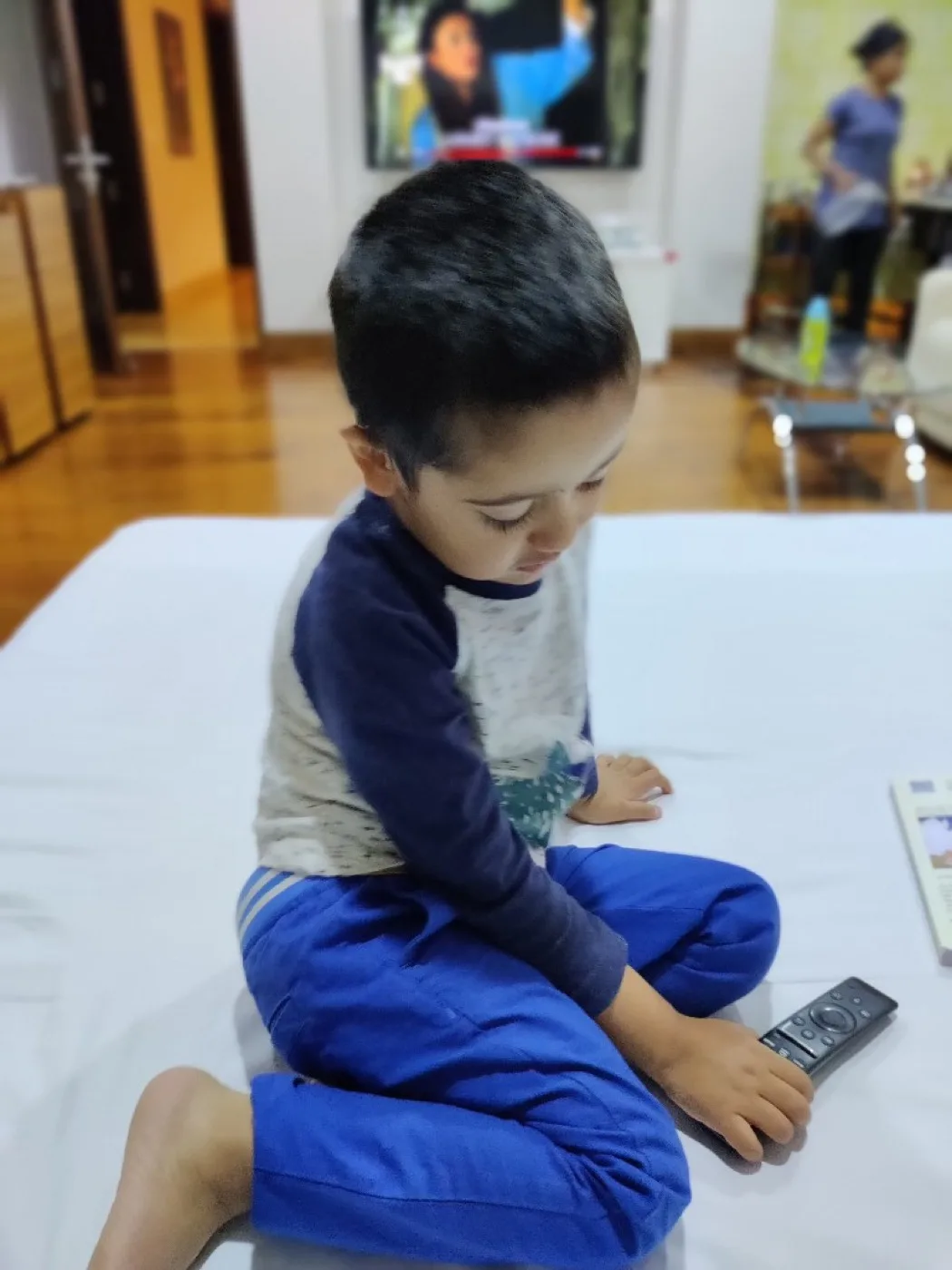
1. Dimaag aur umar ka mismatch (Asynchrony)
Hum adults sochte hain: agar 8 saal ka baccha maths mein brilliant hai, toh behave bhi "bade" jaisa kare. Jab woh torn paper pe tantrum kare ya rote crayon pe roye, hum bolte hain: "Itna tez hai, phir bhi apni umar jaisa behave kyun nahi karta?"
Gifted bacche ka development uneven hota hai:
- Soch / abstract reasoning: Kabhi-kabhi 14 saal ke level jaisi
- Physical age aur handwriting speed: Bilkul 8 saal ki
- Emotional control stress mein: Kabhi 4 saal ke bacche jaisi lag sakti hai
Matlab: dimaag complex ideas jaldi pakad leta hai, lekin emotional wiring us pressure ko sambhalne ke liye abhi ready nahi hota. Yeh defect nahi hai—yeh asynchrony hai.
Watch: Dr. Dan Peters — asynchronous development, Dabrowski overexcitabilities, aur twice-exceptional profiles.
2. Dabrowski ki 5 Intensities — Indian ghar aur class mein
Polish psychologist Kazimierz Dąbrowski ne dekha ki high-ability bacche duniya ko raw intensity se feel karte hain. Inhe Overexcitabilities (OEs) kehte hain.
Indian joint family aur crowded classroom mein yeh intensities aksar "character flaw" ban jati hain:
| Intensity | Baccha andar se kya feel karta hai | Ghar / School mein kaise dikhta hai | Hum kya label laga dete hain |
|---|---|---|---|
| Intellectual | Logic, reason, "kyun?" ki bhookh | Teacher ki galti catch karna; ghar ke rules pe debate | "Badtameezi", elders se zabaan ladana |
| Psychomotor | Body mein energy ka buzz | Foot-tapping, pen-clicking, seat pe nahi baithna | ADHD, hyperactive, discipline nahi |
| Sensual | Sound, texture, taste se overwhelm | Uniform ka tag, assembly ki tez awaaz, food texture | Drama queen, picky, over-pampered |
| Emotional | Deep empathy, injustice se dard | Street puppy pe rona; classmate ke unfair punishment pe gussa | "Rona-dhona", over-sensitive |
| Imaginational | Andar ek poori fantasy / system | Daydreaming; board copy ke bajaye invent karna | Careless, absent-minded, time waste |
Seedhi baat: Jab school in intensities ko defect treat karta hai, baccha seekh jata hai ki uska natural wiring "galat" hai.
3. "Chhota Vakeel" Syndrome (Little Attorney)
Kabhi kisi gifted 7-saal ke bacche ko bola: "9 baje so jao"—aur phir 20 minute tak debate mein fas gaye?
Woh sirf "nahi" nahi kehta. Woh aapka logic cross-examine karta hai:
- "Main thaka nahi hoon toh 9 baje kyun soun?"
- "Aapne kaha sleep rest ke liye hai. Agar mera dimaag active hai, toh bed pe latke rehna time waste hai."
Western literature mein isse "Little Attorney" kehte hain. Indian ghar mein jahan expectation hoti hai "Bade keh rahe hain toh chup chap maano"—yeh dialectical curiosity seedhe badtameezi ban jati hai.
Yeh bacche rude banne ki koshish nahi kar rahe. Unka dimaag logical loophole dhoondhne ke liye wired hai. Agar adult ka reason weak hai, unka brain us flaw ko ignore nahi kar sakta.
4. Haath aur dimaag ki speed ka gap
Early primary classes mein gifted bacche homework se kyun itna ladte hain? Aksar wajah yeh hoti hai:
- Dimaag mein poori story, machine, ya geometry proof clear hai
- Haath abhi bhi 7-saal ki speed se shaky words likh rahe hain
- Result: study table pe rona-dhona, page crumple, homework refuse
Jahan marks neat handwriting aur blackboard copy pe milte hain, wahan yeh bacche punish ho jate hain. Teacher sochta hai "lazy"—baccha feel karta hai main apne hi haathon ke peeche atak gaya.
Practical tool: Is gap ko measure karne ke liye Hinglish Non-Verbal Observational Screening Rubric use karo—IQ test ka wait kiye bina.
5. Future ki tension ka Domino Effect
Watch: Little Attorney debates, adult-level anxiety projections, aur motor skill lags.
Gifted bacche cause-and-effect itni tezi se jodte hain ki chhoti baat se bada catastrophic projection ban jata hai.
Example: 7-saal ka baccha dekhta hai Papa ki car registration sticker expire ho gayi.
- Typical baccha ignore karta hai
- Gifted baccha turant chain banata hai: Police pakdegi → Papa pe fine → Paise nahi → Ghar jayega → Hum sadak pe
Indian middle-class aur working-class ghar mein paisa, medical bill, job stress aksar openly discuss hote hain. Ordinary baccha sunke nikal jata hai. Gifted baccha har whispered word absorb karta hai, worst-case sochta hai, aur andar hi andar paralyzing anxiety rakhta hai.
6. Visual-Spatial Learner vs Board Exam ka Rote Trap
Do tarah ke learners:
- Auditory-Sequential (~65%): Step-by-step, lists, rote rules—standard classroom fit
- Visual-Spatial (~35%): Pictures aur whole systems; answer ekdum "aha!" mein aa jata hai, lekin steps todkar likhna mushkil
CBSE, ICSE, state boards aur coaching hubs almost sirf pehle type ke liye bane hain. Visual-spatial gifted baccha physics/geometry ka answer turant dekh leta hai—lekin "5 mandatory steps" na dikhane par zero. Time ke saath woh believe karne lagta hai: "Main padhai mein weak hoon."
7. Sabse bada khatra: "Main defective hoon"
Jab yeh saari traits ek saath hoti hain aur koi explain nahi karta:
- Classmates unka humour nahi samajhte
- Intense hobbies "boring" lagte hain
- Teachers "zyada sawal" pe daantte hain
- Parents restless / argumentative hone pe punish karte hain
Baccha nahi sochta: "Main gifted hoon, alag sochta hoon."
Baccha sochta hai: "Mujhme kuch galat hai. Main broken hoon."
Uske baad isolation, anxiety, ya deliberately "dumb down" hona common hai—sirf fit in karne ke liye.
High Potential Kaise Spot Karein: 4 Practical Signals
Mahange IQ test se pehle yeh dekho:
- Concept pehle attempt mein pakad leta hai, lekin repetition se chidta hai?
- Bina formal teaching ke machines / games / spatial layouts samajh leta hai?
- Cheezein mangne ke liye nahi—fairness aur principle ke liye argue karta hai?
- Bolne mein adult vocabulary, likhne mein slow / messy / meltdown?
Aksar Pooche Jaane Wale Sawal
Baccha har baat pe argue karta hai—kya yeh badtameezi hai ya giftedness?
Har argue "giftedness" nahi hota. Lekin jab baccha sirf zidd nahi, balki logic, consistency, aur fairness pe cross-examine karta hai—"kyunki maine bola" rule ko challenge karta hai—toh yeh aksar Chhota Vakeel / Little Attorney trait hota hai. Indian ghar mein ise badtameezi samajhna common hai; asal mein yeh advanced dialectical thinking ho sakta hai. Respect aur safety ke saath boundaries zaruri hain—lekin curiosity ko crush mat karo.
Classroom mein likhne mein rona-dhona aur frustration kyun hota hai?
Bahut gifted bacchon mein haath–dimaag ka speed gap hota hai. Dimaag mein idea clear hai, lekin haath slow hain. Jab school neat copy aur long writing pe marks deta hai, frustration meltdown ban jata hai. Oral answer, typing, ya project demo is bottleneck ko kam kar sakte hain.
Copy bharne aur homework se chid kyun hoti hai?
Agar concept pehli baar mein clear ho gaya, toh same 20 sawal baar-baar likhna unke liye meaningless lagta hai. Yeh laziness nahi—cognitive drill resistance hai. Careless mistakes aksar boredom se aati hain, samajh na aane se nahi.
Asynchronous development matlab kya?
Matlab dimaag, emotions, aur body ek saath same age pe nahi chalte. 8 saal ka baccha soch mein bada, handwriting mein apni umar ka, stress mein chhota behave kar sakta hai. Yeh "spoiled" hona nahi—yeh high-ability profiles ka common pattern hai.
Aage Kya Karein
Agar aapko yeh traits dikhte hain, bacche ko sirf "compliance mold" mein dhakelne ki koshish mat karo. Unki intensity unke future creativity aur problem-solving ka engine hai.
Printable tool (Hinglish)
Hinglish Non-Verbal Observational Screening Rubric download / print karein — 1-page A4, culture-fair markers. English fluency ya board marks ki zarurat nahi.
Related: English version · Classroom Mismatch · Argue About Everything
— Kunwer Sachdev, Founder, GiftedKids.in | October 2026
Yeh article Dr. Dan Peters ke frameworks (asynchrony, Dabrowski OEs, visual-spatial learning, 2e) par based hai, Indian classroom aur joint-family reality ke hisaab se. Yeh educational hai—clinical diagnosis nahi.